
Mobile app development company in Delhi, India

Mobile products designed for everyday use, unreliable networks and long-term growth.

Appnautics creates consumer and business mobile applications from product strategy through store release and continuous improvement. We select native, cross-platform or responsive architecture according to the users, device capabilities, integrations, timeline and maintenance plan.

Flutter and React NativeAndroid and iOS deliverySecure backend APIsAnalytics and release support
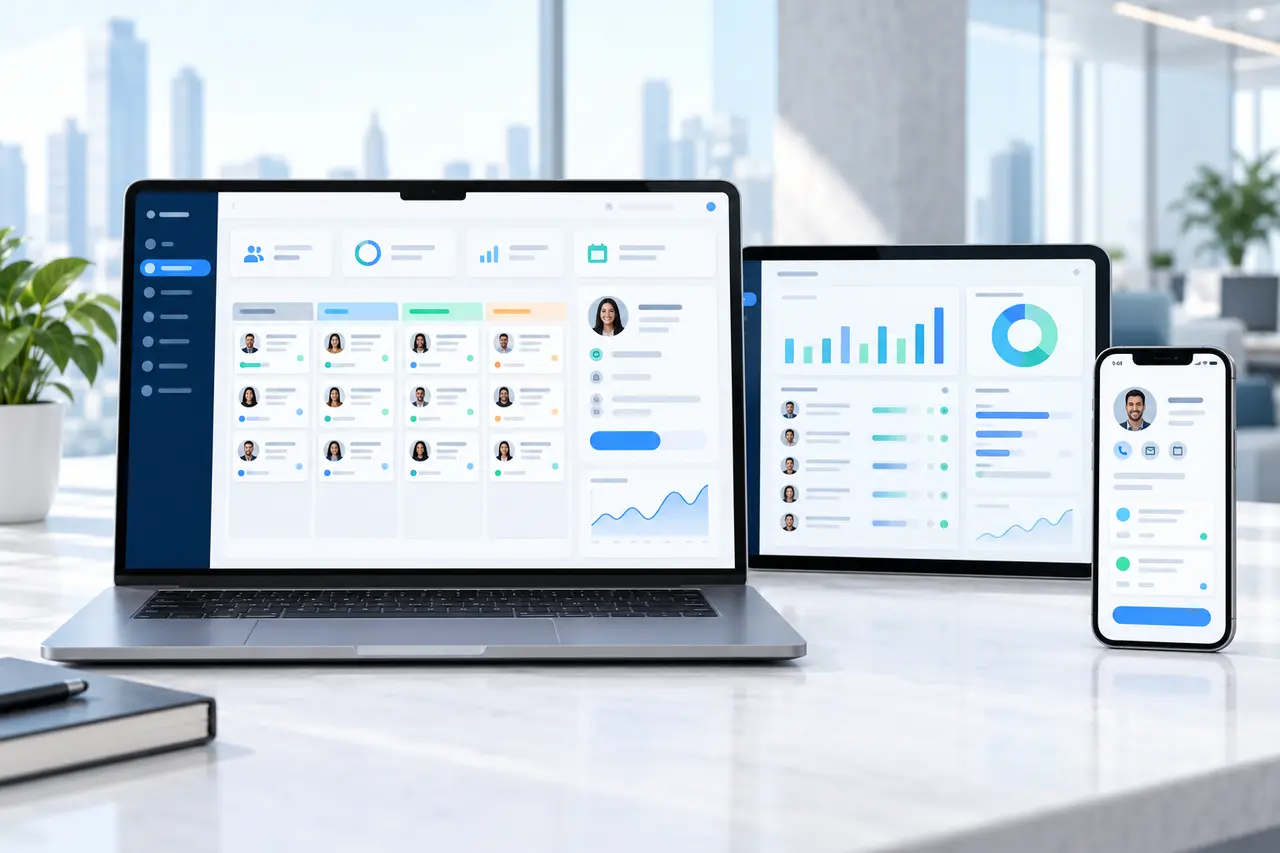
Mobile application interface shown with a connected web dashboard.
Mobile App DevelopmentAppnautics Design Lab

What this service solves

A successful mobile application is more than a collection of screens. It needs clear onboarding, reliable state management, accessible interaction, secure authentication, dependable APIs and sensible behaviour when the network is slow or unavailable.

We connect mobile product design with backend engineering so permissions, notifications, payments, subscriptions, media, analytics and administrative controls are planned together. This avoids the disconnect that often appears when app and backend teams work independently.

For an existing application, we can assess crashes, slow journeys, design inconsistency, store feedback, API performance and maintainability before proposing the next release.

Capabilities

What Appnautics can deliver.

The scope is selected around the outcome and current stage—not forced into a fixed package.

01

Mobile product strategy

Define the audience, essential journeys, device capabilities and release priorities.

02

UX and interface design

Create usable flows, responsive components, states and accessibility guidance.

03

Cross-platform development

Use Flutter or React Native when shared delivery creates a genuine product advantage.

04

Native and device integration

Work with cameras, notifications, Bluetooth, location, storage and supported device services.

05

Backend and administration

Build APIs, identity, data, payments, content controls and operational dashboards.

06

Testing and store release

Verify key devices and journeys, prepare releases and support post-launch monitoring.

Applications

Where the capability creates value.

Consumer products

Accounts, subscriptions, personalized content, notifications and daily engagement.

Workforce applications

Field activity, task capture, offline data and controlled synchronization.

Connected-device applications

Bluetooth onboarding, device status, control and secure cloud communication.

Companion apps

Extend an existing SaaS or operational platform to mobile users.

Delivery path

A clear sequence with decisions at every stage.

01

Product framing

Agree the audience, core value, platforms and measurable release outcome.

02

Journey design

Design onboarding, primary tasks, empty states, errors and permissions.

03

Technical foundation

Define mobile architecture, backend APIs, analytics and release environments.

04

Incremental delivery

Build and test complete journeys in short, reviewable increments.

05

Release and learning

Prepare store assets, monitor behaviour and improve from real usage.

Technology

Selected for the system—not for a trend.

The final architecture depends on users, environment, integrations, security, support and product lifetime. Relevant experience includes:

FlutterReact NativeKotlinSwiftFirebaseREST APIsGraphQLPush notificationsBluetooth LEApp analytics
Frequently asked questions

Useful answers before the first discussion.

Should we use Flutter, React Native or native development?

The right choice depends on device features, performance, product lifespan, team skills and release plan. We recommend the approach after reviewing those constraints.

Can you build the backend and admin panel too?

Yes. Mobile delivery can include backend APIs, databases, role-based administration, analytics, content management and integrations.

Can you redesign an existing mobile app?

Yes. We can audit user journeys, visual consistency, performance, crashes, API behaviour and store feedback before defining a staged redesign.

Do you support Play Store and App Store releases?

Yes. We prepare builds and listing requirements and support the release process, subject to the policies and account approvals of each store.

Can the application work offline?

Where the use case requires it, we design local storage, queued actions, conflict rules and synchronization behaviour rather than treating offline use as an afterthought.

Planning a mobile app development project?

Share what must change, who will use it and what constraints are already known.

Start a conversation →
Have a project in mind?Let's talk